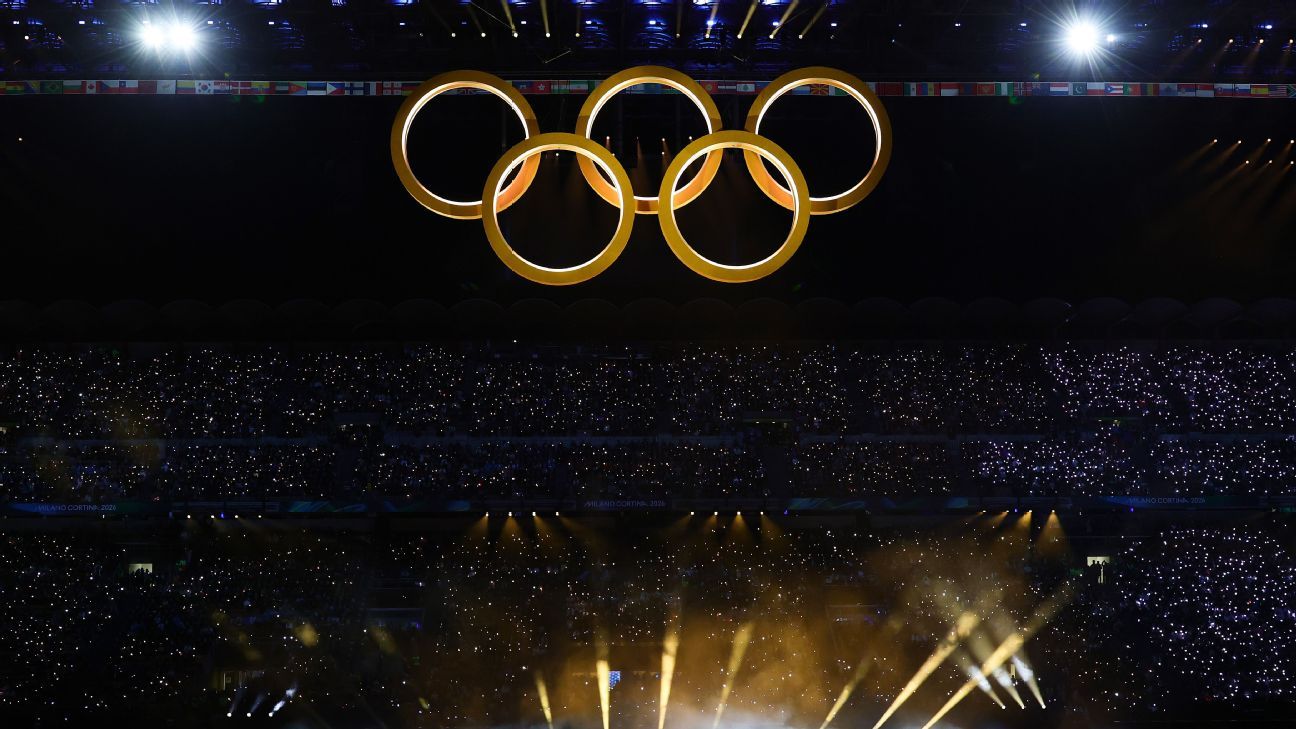
As the pinnacle of winter sports prowess and international camaraderie draws to a close, anticipation builds for the grand finale of the 2026 Milan-Cortina Winter Olympics. More than just an official conclusion, the closing ceremony is a spectacle, a celebration of human achievement, and a profound cultural showcase. If you're wondering When Do The Winter Olympics End, prepare for a breathtaking send-off in one of Italy's most historic settings.
The Grand Finale: When Do The Winter Olympics End in 2026?
The exhilarating journey of the 2026 Winter Olympics will culminate on Sunday, February 22, 2026. Athletes, fans, and dignitaries will gather for the highly anticipated closing ceremony, scheduled to begin at 2:30 p.m. ET. This monumental event marks the official end of the Milan-Cortina Games, wrapping up weeks of intense competition, inspiring victories, and unforgettable moments.
For those eager to witness this historic occasion, the ceremony will be broadcast live by NBC and streamed on Peacock. For viewers who prefer prime-time viewing, NBC will re-air the entire three-hour spectacle at 9 p.m. ET. This dual broadcast ensures that audiences across different time zones and viewing preferences can experience every moment of the closing ceremony's grandeur.
Beyond the simple act of wrapping up the Games, the closing ceremony serves as a vital bridge between the competitive intensity and a heartfelt farewell. It's a moment for reflection on the incredible athletic feats witnessed, the bonds forged between nations, and the universal spirit of sport. This event is not merely an endpoint but a vibrant celebration of what the Olympic movement represents. For a more detailed breakdown of the exact timings and broadcast options, you can refer to our guide: When Do The 2026 Winter Olympics End? Date & Time.
Verona's Ancient Amphitheater: A Stage for History and Modern Spectacle
In a truly inspired choice that marries ancient history with contemporary grandeur, the 2026 Winter Olympics closing ceremony will unfold within the majestic walls of the Verona Arena. This ancient Roman amphitheater, a UNESCO World Heritage site, provides a setting unlike any other for a global event of this magnitude.
A Glimpse into the Past: The Verona Arena's Enduring Legacy
Dating back to 40 AD, the Verona Arena stands as one of the best-preserved Roman amphitheaters in the world. Imagine gladiators battling, spectacles unfolding, and audiences roaring in this very same structure nearly two millennia ago. Through centuries, it has witnessed countless events, survived earthquakes, and undergone meticulous restoration efforts starting in the 16th century. Today, it is globally renowned for hosting spectacular open-air opera performances, drawing visitors from every corner of the globe. Its history is not just preserved; it lives and breathes with every performance.
Location and Significance for Milan-Cortina 2026
Located in the northern Italian city of Verona, the arena is approximately a two-hour drive from Milan and three hours from Cortina d'Ampezzo. This geographic spread across various Italian regions highlights the inclusive spirit of the 2026 Games, which aimed to embrace a wide and diverse territory. Hosting the closing ceremony in Verona underscores Italy's rich cultural heritage, showcasing a symbol of enduring legacy and artistic excellence to an international audience. It’s a powerful statement, linking the ancient roots of European civilization with the forward-looking vision of the Olympic movement.
"Beauty in Action": A Tapestry of Italian Culture and Innovation
The theme for the 2026 Winter Olympics closing ceremony is "Beauty in Action," a concept designed to encapsulate both the aesthetic grace of athletic performance and Italy's unparalleled contributions to art, design, and culture. This event promises to be a vibrant homage to "Italian cultural identity and innovation," woven through a rich tapestry of music, art, and storytelling.
Headliners and Artistic Direction
At the forefront of this artistic celebration will be Roberto Bolle, Italy's world-renowned ballet dancer. Bolle's presence signifies the country's deep appreciation for classical arts and his ability to convey profound emotion through movement will undoubtedly be a highlight. The ceremony will also heavily feature opera, a genre synonymous with Italy and perfectly suited to the acoustically rich environment of the Verona Arena. Expect a blend of traditional and contemporary interpretations, showcasing Italy's continuous innovation within its artistic traditions.
Beyond the headliners, the ceremony is crafted to unfold a narrative that celebrates not only athletic excellence but also the ingenuity and passion that define Italy. Officials have indicated the event will also address pressing global issues, including climate change, reflecting a commitment to sustainability and a responsible future. While specific details about all performers and segments will likely be announced closer to the event date, the promise is for an immersive experience that reveals the creative spirit of Italy to the world. For a deeper dive into what to expect from the artistic performances, refer to: Your Guide to the 2026 Winter Olympics Closing Ceremony Details.
The Handover Ceremony: Glimpses into the Future
A pivotal and highly symbolic segment of any Olympic closing ceremony is the traditional handover of the Olympic flag. This ritual signifies the passing of the torch, or in this case, the flag, to the next host nation. As the Milan-Cortina Games conclude, the Olympic flag will be ceremoniously handed over to the representatives of the 2030 Winter Olympics host. It has been confirmed that the next Winter Olympics will take place in the French Alps, marking an exciting new chapter for the global sporting event.
This segment is not just a formality; it's a powerful visual representation of continuity and the cyclical nature of the Games, connecting past, present, and future Olympic aspirations. It offers a brief, tantalizing glimpse of the next host's culture and vision, building anticipation for the journey to come.
Maximizing Your Closing Ceremony Experience
To fully appreciate the magnificence of the 2026 Winter Olympics closing ceremony, consider these tips:
- Plan Your Viewing Schedule: With live and re-aired broadcasts, decide whether you want to catch the ceremony as it happens or enjoy the prime-time experience. Be mindful of time zone differences if watching live.
- Research the Artists and Venue: Learning about Roberto Bolle's career, the history of Italian opera, or the architectural marvels of the Verona Arena will significantly enrich your viewing experience. Understanding the cultural context adds layers of appreciation.
- Engage with the Narrative: Pay attention to the storytelling elements and how they weave together the themes of "Beauty in Action," Italian identity, and environmental consciousness. The ceremony is designed to be more than just entertainment; it's a message.
- Prepare for Emotion: Closing ceremonies are often poignant, marking the end of incredible journeys for athletes. Be ready to feel the raw emotions of competitors celebrating their achievements or reflecting on their challenges.
- Connect Online: Join the conversation on social media. Share your favorite moments, discuss the performances, and connect with other Olympic enthusiasts worldwide.
The closing ceremony of the 2026 Milan-Cortina Winter Olympics promises to be an unforgettable event, seamlessly blending the thrill of athletic achievement with the timeless allure of Italian culture. From the ancient stones of the Verona Arena to the world-class performances of artists like Roberto Bolle, it will be a spectacle that celebrates human spirit, innovation, and the power of unity. So, as the final medals are awarded and the last competitions conclude, tune in to witness a closing ceremony that will resonate long after the Olympic flame is extinguished, leaving us with cherished memories and eager anticipation for the next Winter Games.